rawpixel-780506-unsplash

Temporary Illness – Prescribed Medicine in School

Where possible, the need for medicines to be administered at school should be avoided. Parents and carers are therefore requested to arrange the timing of doses so that medication can be given at home.


If a prescribed medicine is required three times a day, we ask that doses should be given:

  • In the morning before school
  • After school when the child returns home
  • At bedtime


The school will only administer prescribed medication if it is required four times a day.

If your child needs medication during the school day, we can administer it only if a parent or carer has completed a “Consent to Give Medicine” form. This form must clearly state the medication, dosage, and time to be given.


All medication must:

  • Be prescribed by a doctor and dispensed by a pharmacy
  • Be clearly labelled with the child’s name and dosage instructions
  • Be brought to the school office by an adult (not given to class teachers or sent with the child)
  • Be handed in along with the completed consent form


Children should come to the school office at the correct time to receive their medication. Children must not carry any medication themselves.

We can only administer medication for which we have written parental permission.

Parents may choose to come into school themselves to administer medication if preferred.


Recurring Prescribed Medication

Where possible, regular medication should also be administered at home. However, if your child has an ongoing medical condition that requires regular prescribed medication (for example: eczema, hay fever, asthma, or severe allergies requiring an EpiPen), a Medical Information Form (Individual Healthcare Plan – IHP) must be completed.


Please ensure that:

  • The IHP form is submitted to the school
  • The medication is prescribed and clearly labelled
  • Supporting medical evidence from your GP is provided
  • Any other information that will help us manage your child’s condition safely and effectively in school.


Asthma Inhalers and EpiPens


It is essential that we are informed of any child who requires an inhaler or EpiPen.


EpiPens: We require two EpiPens per child – one is kept in the school office and one in their classroom. EpiPens must be handed in to the school office in a clearly labelled small container with:

  • A completed Allergy Action Plan, filled out by the parent and signed by the GP
  • Medical Information Form
  • Supporting medical evidence from your GP is provided


Inhalers: These must also be handed to the school office and will be stored in the classroom for easy access.

  • A completed Asthma Plan, filled out by the parent and signed by the GP
  • Medical Information Form
  • Supporting medical evidence from your GP is provided


If an EpiPen is administered, or if a child experiences asthma symptoms that cannot be controlled with their inhaler, an ambulance will be called immediately and parents will be contacted.


Parents and carers are responsible for ensuring that all medication held in school is in date.


Allergy Awareness

As we have children in school who are severely allergic to nuts, please ensure that nuts, seeds, and any nut-based products (including chocolate or spreads containing hazelnuts) are not included in packed lunches.


End of School Year

All medication must be collected by parents or carers at the end of the school year.


Primary School Immunisation Programme

The South London Children and Young People’s Community Immunisation Service provides vaccinations for children living in and attending school in twelve south London boroughs. Providing routine vaccination in schools has numerous benefits for schools and wider communities including providing a healthy environment by reducing the number of vaccine preventable diseases in the school. By clicking the image below, you can access the latest information on the programme along with the contact details for The Croydon Immunisation Team if you need to reach them.


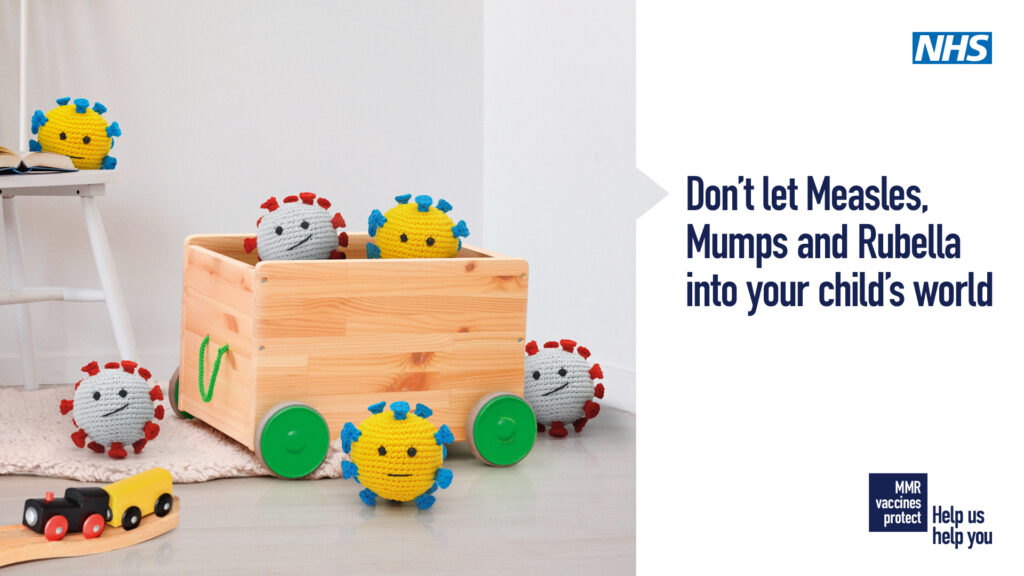
Please click here to find out more information from the NHS on measles and getting the MMR vaccine for your child

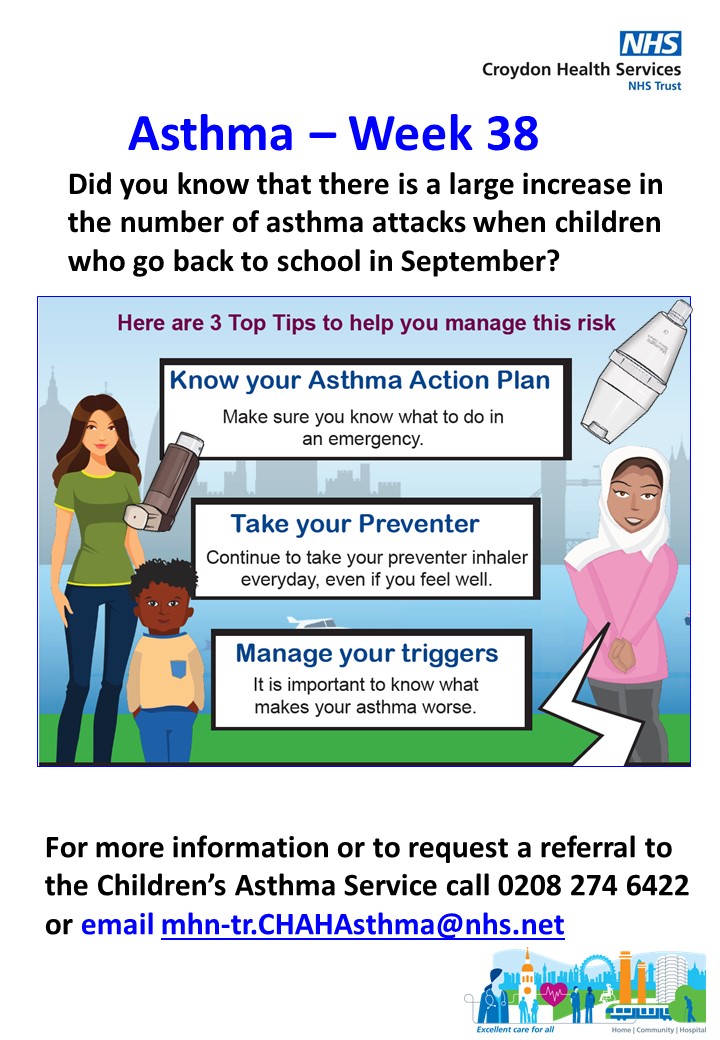
Week 38 poster 2024

Please click here for more information.

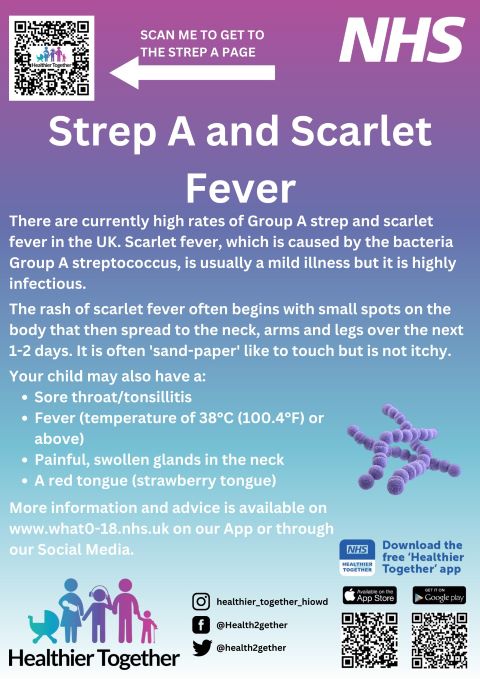
Please click here to find out more information from the NHS on Strep A and Scarlet Fever